How to Review and Adjust Your Budget Over Time

Understanding Your Budget
Managing your finances effectively requires more than just creating a budget. It’s essential to review and adjust your budget regularly to reflect your changing circumstances. Life can be unpredictable, and your budgeting strategies should adapt accordingly. Without regular updates to your budget, you may find yourself misallocating funds or missing out on savings opportunities.
The Importance of Regular Reviews
Taking the time to assess your budget offers several benefits, including:
- Identifying Trends: By reviewing your spending habits monthly, you can notice patterns. For instance, you might find that you consistently spend more on dining out than anticipated. This insight allows you to cut back, perhaps by cooking more meals at home, which could free up funds for other priorities like savings or vacation plans.
- Setting Realistic Goals: If you’ve experienced a change in income—like a promotion or job loss—you need to adjust your financial goals accordingly. For example, if your income has increased, you might want to allocate more toward retirement savings or start an emergency fund to ensure long-term financial stability.
- Reducing Stress: Regular budgeting reviews can alleviate financial anxiety. When you know where your money is going, you may be less likely to stress over unexpected expenses, as you will have prepared for them. Being proactive can help you feel more in control and confident about your financial future.
Regularly adjusting your budget is not just a chore; it is a key component of financial health. You want to make sure your budget reflects:
- Life changes such as marriage, a new job, or having kids. For example, if you become a parent, your budget will need to account for new expenses like childcare and diapers, as well as savings for future education costs.
- Unexpected expenses like medical emergencies or car repairs. Maintaining a flexible budget allows you to allocate funds for such events, preventing financial strain when they arise.
- Your long-term savings goals or retirement plans. As life events unfold, re-evaluating how much you contribute to retirement accounts or other long-term investments becomes crucial for achieving your financial hopes.
Getting Started
To effectively review your budget, begin by gathering your financial documents and tracking current expenses. This preparation allows you to make informed adjustments that support your financial journey. Start by examining your bank statements for the past few months, noting recurring expenses and distinguishing between needs and wants.
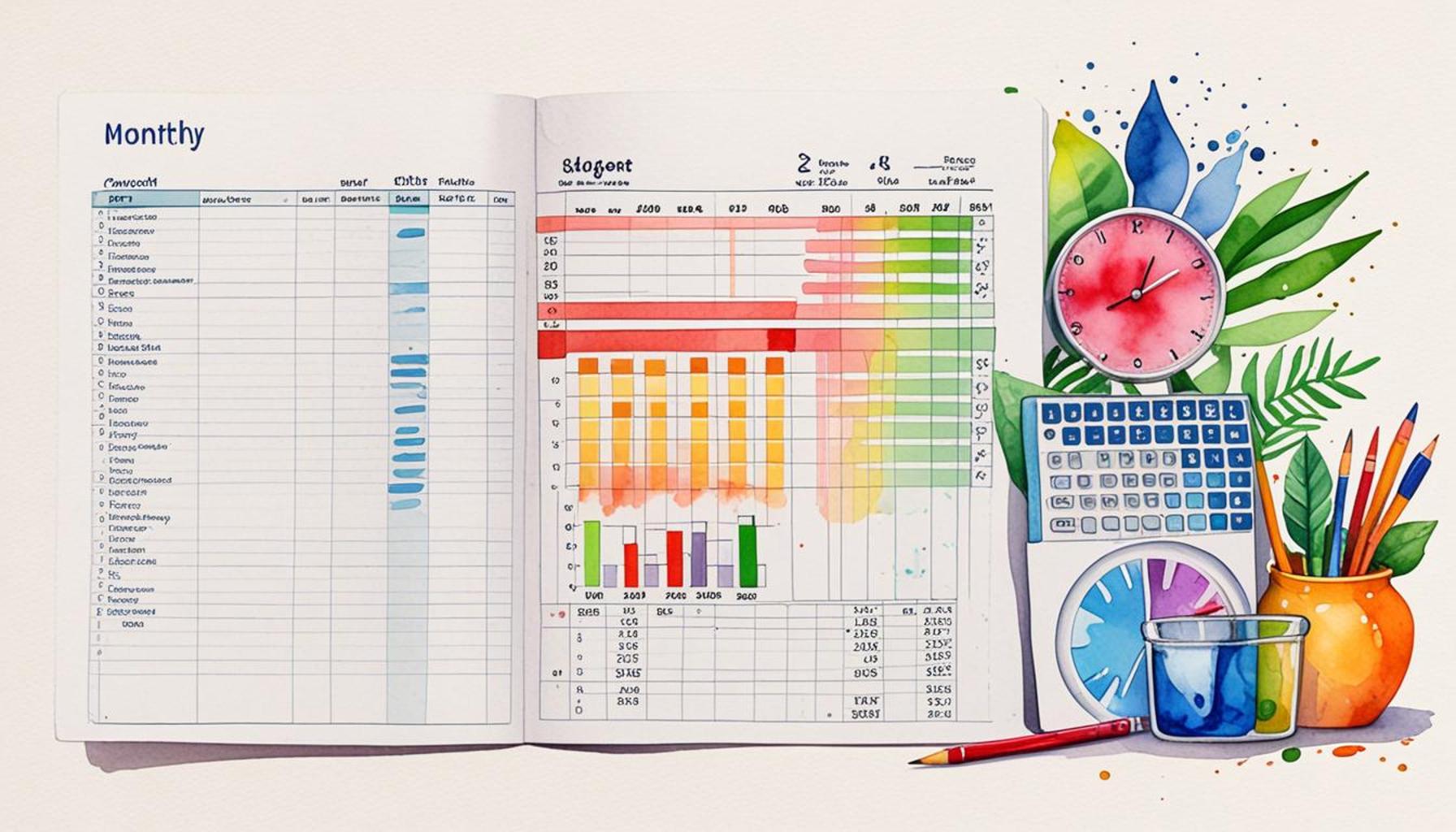
Consider using budgeting apps or tools that can help visualize your spending patterns over time. Many of these tools can automatically categorize your expenses, making it easier to see where adjustments are necessary. By establishing a routine—perhaps reviewing your budget monthly—you can ensure that your financial plan remains aligned with your goals and changing realities.
Remember, a budget is not a static document; it’s a dynamic tool that should evolve as your life does. With regular reviews and adjustments, you will navigate financial challenges more effectively, making informed choices that lead to long-term stability and peace of mind.
CHECK OUT: Click here to explore more
Reviewing Your Current Financial Situation
Before you can adjust your budget effectively, it’s crucial to have a clear understanding of your current financial situation. This involves a thorough examination of your income, expenses, and debt. Take a deep dive into your finances by creating a detailed overview that captures where you stand today. This foundational step will enable you to make informed decisions as you fine-tune your budget.
Assessing Your Income
Your current income is the starting point for any budget review. Begin by compiling a list of all your income sources, which may include:
- Your salary or wages from your primary job
- Any side hustles or freelance work generating extra cash
- Investment income, such as dividends or interest
- Other income streams, like rental property or alimony
Calculating your total monthly income will give you a clear target for your budget. Be sure to include any irregular income as well; if you receive a bonus or tax refund, determine how those funds can fit into your financial plan. Understanding your earnings will set the stage for evaluating your expenses.
Evaluating Your Expenses
Next, take a close look at your expenses. This analysis should include both fixed and variable costs:
- Fixed Expenses: These are costs that remain constant each month, such as rent or mortgage payments, car loans, insurance premiums, and subscription services.
- Variable Expenses: Unlike fixed expenses, variable costs can fluctuate from month to month. This category includes grocery bills, dining out, entertainment, and personal spending.
Start by reviewing bank statements and credit card bills to track your spending behavior. Categorizing these expenses can make it easier to spot areas where you may be overspending. For example, if you notice a consistent high expenditure in dining out, consider if this is a necessity or an area where cuts can be made.
Understanding Your Debt
If you have outstanding debt, understanding its impact on your budget is vital. List your debts, including:
- Credit card balances
- Personal loans
- Student loans
- Any other outstanding obligations
Note the interest rates, minimum payments, and total amounts owed for each debt. Recognizing the weight of these obligations will help you prioritize repayments and make smarter budgeting decisions. For instance, if a credit card carries a high-interest rate, you may want to consider allocating extra funds to pay that down faster, reducing your overall financial burden in the long run.
By thoroughly reviewing your income, expenses, and debt, you’ll gain a comprehensive picture of your current financial situation. This foundation will empower you to make meaningful adjustments to your budget that reflect your evolving needs and goals.
SEE ALSO: Click here to read another article
Adjusting Your Budget to Fit Your Changing Needs
Once you have a comprehensive understanding of your current financial situation through assessing your income, expenses, and debt, it’s time to determine how to adjust your budget. Life is dynamic, and changes often necessitate a revisit of your financial plan. Below are several strategies for making effective adjustments to ensure your budget continues to serve you well.
Setting Realistic Financial Goals
To begin adjusting your budget, establish clear financial goals. Think about what you want to achieve in the short-term and long-term. Short-term goals might include saving for a vacation or building an emergency fund, while long-term goals could involve retirement savings or paying off your mortgage. When you have these objectives clear in your mind, you can tailor your budget to support them. For example, if travel is important to you, you may decide to cut back on entertainment expenses to allocate more funds toward your travel savings.
Monitoring Lifestyle Changes
Changes in your lifestyle or circumstances can significantly impact your budget. This could be a new job, a change in your family size, or even economic fluctuations. For instance, if you recently received a promotion and a salary increase, you may have more flexibility in your budget. Conversely, if you face unexpected expenses, such as medical bills or repairs, it may be necessary to reallocate some of your budgeted funds. Regularly monitoring these changes will help you stay aligned with your financial goals while being adaptable to new circumstances.
Incorporating Seasonal Expenses
Seasonal expenses can catch many people off guard, so it’s helpful to account for them beforehand in your budget. These could include holiday gifts, summer camp fees for children, or property taxes due at the end of the year. One effective way to manage these expenses is to prorate the annual amount and set aside a small portion each month in a designated savings account. For example, if you anticipate spending $600 on holiday gifts, set aside $50 each month to spread out that financial burden. This proactive approach can prevent budgetary stress when the time comes to cover these costs.
Reviewing and Adjusting Regularly
Setting a routine to review your budget is essential in maintaining financial health. Aim to assess your budget monthly or quarterly. During these reviews, compare your anticipated expenses with what you actually spent. If you consistently overspend in certain categories, such as dining out or groceries, consider adjusting your budget to better fit your spending habits. Conversely, if you’re consistently under budget in other areas, such as entertainment, you could reallocate those funds towards savings or debt repayment.
Utilizing Budgeting Tools
Modern technology now offers numerous budgeting tools and apps that can simplify the process of managing your budget. Many of these tools allow you to track spending automatically, analyze trends, and send alerts when you’re nearing budget limits in certain categories. For example, apps like Mint or YNAB (You Need A Budget) can help visualize your financial data, making it easier to spot areas for improvement. Leveraging these resources can help make your budgeting efforts more efficient and less time-consuming.
By establishing realistic goals, monitoring lifestyle changes, planning for seasonal expenses, and regularly reviewing your budget, you can adjust your financial plan to reflect your current situation and aspirations effectively. Using budgeting tools can also enhance your ability to stay on track and achieve financial success over time.
CHECK OUT: Click here to explore more
Conclusion
In conclusion, reviewing and adjusting your budget over time is not merely a task but a vital part of achieving your financial goals. The world is ever-changing, and so is your financial landscape. By setting realistic goals that align with your needs, monitoring how life events impact your budget, and planning for expected seasonal costs, you can create a more resilient financial plan.
It is essential to adopt a routine of regular budget reviews—whether monthly or quarterly—to ensure that you remain on track. During these reviews, be open to modifying your budget based on your actual spending patterns. If you discover that certain categories require adjustments, such as increased spending on groceries or entertainment, don’t hesitate to reallocate funds as necessary.
Additionally, embracing the use of budgeting tools can vastly improve the efficiency and effectiveness of this process. With various apps available that automate tracking and offer insightful analyses, you can spend less time managing your budget and more time achieving your financial aspirations.
Ultimately, a flexible and responsive budgeting approach empowers you to navigate financial challenges and to seize opportunities as they arise. By staying proactive and engaged in your financial management, you will not only build confidence in your budgeting skills but also pave the way for a secure financial future.