
Alternative Investments: Art, Collectibles, and Cryptocurrencies
Understanding Alternative Investments
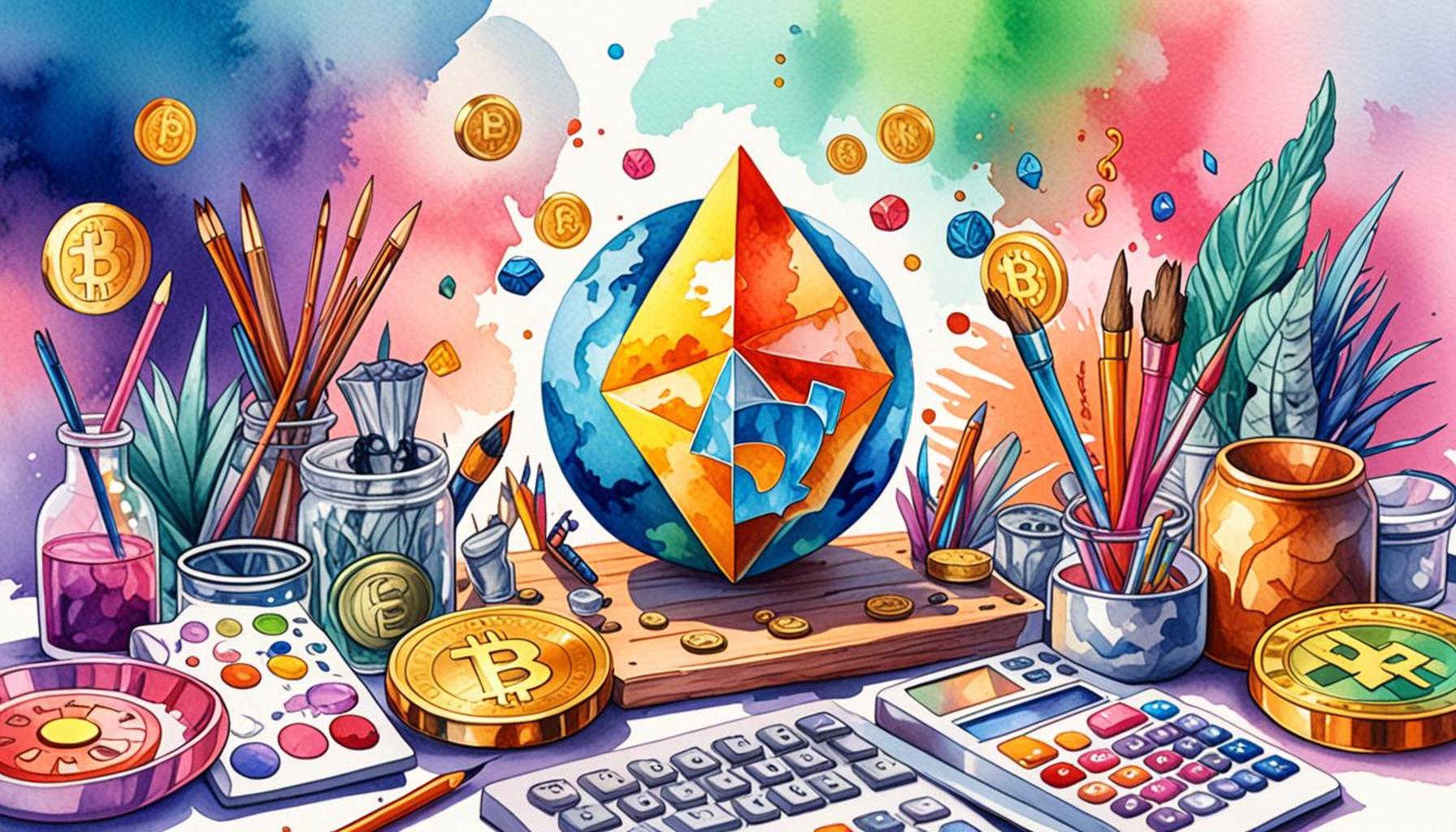
In the evolving landscape of finance, many investors are exploring avenues beyond conventional holdings. Traditional investments like stocks and bonds dominate typical portfolios; however, there is growing interest in alternative investments. These alternatives not only serve to diversify portfolios but also provide opportunities for potentially higher returns. Some of the more popular categories in this space include:
- Art: Paintings, sculptures, and other artistic creations.
- Collectibles: Rare coins, vintage toys, or classic cars.
- Cryptocurrencies: Digital currencies like Bitcoin and Ethereum.
Each of these investment types comes with its own characteristics, benefits, and risks. To illustrate, when considering art, it’s essential to appreciate that investment in artwork can yield impressive returns over the long term, particularly if you select pieces from emerging artists or well-established names. However, investing in art requires significant expertise and market knowledge. Many investors engage in art advisory services or attend auctions to better understand this nuanced market.
Another fascinating category is collectibles. Items such as rare coins, vintage toys, or classic cars not only serve as potential investments but can also carry personal enjoyment for their owners. For instance, a well-preserved 1965 Ford Mustang may appreciate in value significantly depending on its condition and rarity. Understanding market trends and consumer interest is crucial in this category; items that are culturally relevant often see greater demand.
On the other hand, cryptocurrencies have emerged as a modern alternative investment, known for their potential for rapid gains. Bitcoin, for example, has experienced explosive growth since its inception, transforming many early adopters into millionaires. However, it is crucial to recognize that cryptocurrencies also bring extraordinary volatility and risk. Prices can swing dramatically in short timeframes, which makes it essential for investors to approach this asset class with caution and conduct thorough research.
In the following sections of this article, we will delve deeper into each type of alternative investment. We will explore their unique characteristics, effective investment strategies, and vital considerations to keep in mind as you navigate this intriguing space. By equipping yourself with knowledge about these diverse investment options, you can make informed decisions that align with your financial goals and risk tolerance.
CHECK OUT: Click here to explore more
Art as an Investment
One of the most captivating forms of alternative investment is art. Investing in artwork is not merely about financial returns; it also encapsulates passion, culture, and personal expression. Art can appreciate remarkably over time, especially pieces from well-known artists or emerging talents. When considering art as an investment, several factors come into play:
- Market Trends: The art market is influenced by trends and tastes, and what is in demand today might not hold the same appeal in the future. Staying informed about contemporary movements and upcoming artists is crucial.
- Provenance and Authenticity: The history of an artwork can significantly enhance its value. Proper documentation and proof of authenticity are necessary to assure buyers of the work’s legitimacy.
- Condition: The physical state of artwork affects its value. Pieces that are well-maintained and preserved command higher prices compared to those that show signs of significant wear or damage.
For instance, a painting by a renowned artist like Andy Warhol might have initially sold for a few thousand dollars, only to appreciate several times over at contemporary auctions. However, novice investors should tread carefully, as entering the art world without adequate knowledge can lead to costly mistakes.
The Allure of Collectibles
Collectibles offer another stimulating investment avenue. This category includes a vast array of items from rare coins to vintage toys and even comic books. What makes collectibles appealing is their combination of nostalgia and potential for financial gain. The value of these items often appreciates based on their rarity, condition, and cultural significance. Here are some considerations when venturing into collectibles:
- Rarity: The fewer items available, the more potential for value increase. For instance, a limited edition Star Wars action figure can become highly desirable.
- Condition: The grade of a collectible can significantly impact its market value. An item in its original packaging or one that has been minimally handled typically sells for more.
- Market Insights: Understanding trends among collectors can provide an edge. For example, a rise in popularity of a specific sports team might drive up demand for memorabilia connected to that team.
As an illustration, classic cars like the Ford Mustang mentioned earlier can not only serve as a hobby but also a lucrative investment if you keep track of market trends. Restoring a classic car to its original specification can enhance its value, offering both personal enjoyment and potential profit.
The Rise of Cryptocurrencies
Currencies, particularly cryptocurrencies, have taken the investment world by storm. Digital currencies like Bitcoin and Ethereum have experienced significant gains that have transformed the landscape of modern finance. Some key points to consider when investing in cryptocurrencies include:
- Volatility: Cryptocurrency markets are known for their dramatic price swings. While this offers the potential for high returns, it also poses substantial risks.
- Technology Understanding: Investors should familiarize themselves with blockchain technology, the foundation of cryptocurrencies, to appreciate their intrinsic value and potential for future development.
- Security: Proper security measures, such as using hardware wallets and enabling two-factor authentication, are essential to safeguard against potential losses from hacking or fraud.
In summary, alternative investments in the form of art, collectibles, and cryptocurrencies offer unique opportunities that differ from traditional investments. Each carries its own set of characteristics that demand careful consideration and understanding. Being informed about these diverse avenues can lead to rewarding experiences as you navigate your investing journey.
CHECK OUT: Click here to explore more
Diving Deeper into Cryptocurrencies
The phenomenon of cryptocurrencies has led to a new wave of investors delving into the digital currency realm. As interest grows, so does the necessity for comprehensive understanding and strategic investment approach. Beyond the volatility and technological underpinnings of cryptocurrencies, there is an emerging submarket of digital assets that investors need to be aware of.
Tokens and Initial Coin Offerings (ICOs)
One intriguing aspect of the cryptocurrency landscape is the rise of tokens through Initial Coin Offerings (ICOs). ICOs are fundraising vehicles where new cryptocurrencies sell their underlying tokens in exchange for established currencies like Bitcoin or Ethereum. This method resembles traditional initial public offerings (IPOs) in the stock market but comes with its own regulatory nuances and risks.
- Research and Due Diligence: Before investing in an ICO, it is essential to conduct thorough research. Understand the project’s vision, team, and the technology behind the tokens. A sound whitepaper can provide insights into its potential.
- Red Flags to Watch For: Be cautious of projects that promise guaranteed returns or lack transparency about their operations. Due diligence helps in avoiding scams or poorly executed projects.
- Market Competition: An ICO’s potential for success can also hinge on market competition. If many similar projects enter the market simultaneously, it may dilute investor interest and reduce returns.
For instance, the ICO for Ethereum in 2014 raised $18 million, a fraction of what the platform is worth today, emphasizing how early investment in promising tokens can yield substantial returns if the project succeeds.
Decentralized Finance (DeFi)
Another exciting development is Decentralized Finance (DeFi), a blockchain-based form of finance that does not rely on traditional financial intermediaries like banks. Instead, DeFi leverages smart contracts on blockchains, primarily Ethereum, allowing for more direct transactions between parties. Here are some key aspects to note:
- Yield Farming: This practice allows investors to earn rewards by providing liquidity to decentralized exchanges. By locking in their assets, they receive a percentage of transaction fees and additional tokens.
- Borrowing and Lending: DeFi platforms allow users to borrow cryptocurrency by pledging their assets as collateral, often at lower rates than traditional banks offer. Likewise, investors can earn interest by lending their cryptocurrencies.
- Risks Involved: While DeFi presents exciting opportunities, it also comes with risks such as smart contract vulnerabilities and potential market fluctuations that can lead to significant losses.
In essence, DeFi opens doors to a new financial ecosystem, enabling innovative ways to interact with assets. For instance, using protocols like Aave or Compound can yield attractive returns compared to traditional savings accounts.
Investing in Fractional Ownership
A relatively new trend in the investment landscape is fractional ownership, which has gained traction in both art and collectibles. This concept allows multiple investors to buy and own a portion of high-value items, making alternative investments more accessible. Here’s how it can work:
- Art as a Collective Asset: Platforms like Masterworks allow investors to buy shares in high-value artworks. This creates an opportunity to invest in pieces that would typically be out of reach for the average investor.
- Collectibles Fractionalization: Companies facilitate the buying and selling of shares in collectibles, such as rare sneakers or trading cards. This trend enables enthusiasts to participate in markets they are passionate about without needing to commit large sums.
- Diversification: Fractional ownership allows investors to diversify their portfolios by spreading investments across various pieces of art or collectibles, potentially mitigating risk.
Overall, the rise of fractional ownership enables new avenues for investing where passion meets financial strategy, further enhancing the landscape of alternative investments.
CHECK OUT: Click here to explore more
Conclusion
As we navigate the diverse landscape of alternative investments, it becomes increasingly clear that options like art, collectibles, and cryptocurrencies offer unique opportunities for investors looking to diversify their portfolios. By venturing into these alternative assets, enthusiasts are not only able to invest in what they love but also explore avenues that may provide substantial financial returns.
The world of art and collectibles, enhanced by fractional ownership platforms, allows investors to participate in high-value markets without needing extensive capital. This democratization of investment opens doors for many who might not have considered themselves traditional investors, fostering a community where passion can align with portfolio growth.
On the other hand, the rapid evolution of cryptocurrencies and DeFi offers a dynamic space filled with innovation and potential. However, venturing into this territory requires careful research and a solid understanding of the inherent risks, including market volatility and regulatory uncertainties. Tools like ICOs and yield farming can yield significant benefits, but they come with their own set of challenges that demand attention.
Ultimately, embracing alternative investments can enrich your financial strategy. By thoroughly educating yourself and remaining informed about market trends, you can make empowered decisions tailored to your interests and risk tolerance. Remember, wise investing transcends mere profit; it encompasses a deeper appreciation for the assets you choose to invest in, forging a path toward both financial success and personal satisfaction.