Menu

How the Diversity of Pet Animal Species Impacts Culture and Lifestyle in Nigeria

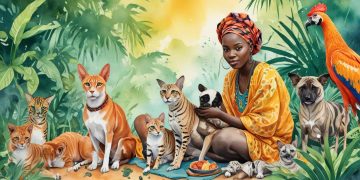
In Nigeria, diverse pet species enhance cultural identity and community engagement, impacting lifestyle choices and traditions. From dogs in urban areas to cats in rural settings, pets foster social ties and economic opportunities, emphasizing responsible ownership and companionship, while reflecting evolving attitudes towards animal care and welfare.

Insect Species as Pets: A New Trend in the Nigerian Market

The rising interest in insect species as pets in Nigeria reflects a shift towards sustainable and space-efficient companionship. With low maintenance needs, educational benefits, and a growing market for unique insects like stick insects and tarantulas, this trend fosters ecological awareness and entrepreneurial opportunities in urban settings.

Species of Reptiles as Pets in Nigeria: Care and Common Myths

Reptile ownership in Nigeria is on the rise, with popular species like Ball Pythons, Leopard Geckos, and Bearded Dragons captivating enthusiasts. Understanding their unique care requirements is essential, as well as debunking common myths about reptiles as low-maintenance pets. Responsible ownership fosters rewarding companionship and enjoyment.

Exotic Species as Pets in Nigeria: Considerations and Challenges

The trend of keeping exotic species as pets in Nigeria is rising, attracting enthusiasts seeking unique companions. However, prospective owners must consider the significant responsibilities, including specialized care, legal regulations, and ethical implications. Understanding these challenges is crucial for fostering responsible pet ownership while protecting local biodiversity.

The Importance of Information on Species in Choosing the Ideal Pet for Nigerian Families

Choosing the right pet for Nigerian families involves understanding various species' needs and characteristics. Knowledge about temperament, care requirements, and space considerations helps families select pets that enhance their lives. Informed decisions lead to fulfilling relationships, promoting harmony, responsibility, and positive emotional growth throughout the household.

The Role of Pet Species in Early Childhood Education in Nigeria

Integrating pet species into early childhood education in Nigeria enhances emotional development, social skills, and responsibility. Pets foster empathy, improve attention spans, and reduce stress, creating dynamic learning environments. This approach promotes holistic education, addressing children's psychological and social needs while aligning with Nigeria's communal values.

Pet Animal Species and their Contribution to Biodiversity in Nigeria

This article explores how various pet animal species in Nigeria, including dogs, cats, birds, and fish, contribute to the country's biodiversity. Pets support ecological balance, enhance companionship, and foster community engagement in conservation efforts, ultimately promoting sustainable practices and cultural appreciation of Nigeria's rich natural heritage.

Species of Fish as Pets: Benefits and Care in the Nigerian Context

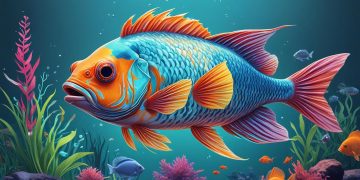
The rising trend of fishkeeping in Nigeria highlights the aesthetic and therapeutic benefits of keeping fish as pets. With low maintenance requirements, stress relief opportunities, and educational value, aquarists can thrive alongside locally suited species, fostering community engagement and environmental awareness in a vibrant, rewarding hobby.

Exotic Pets in Nigeria Benefits Challenges of Unique Species

Exotic pets in Nigeria offer unique companionship and status, attracting enthusiasts with their rarity. However, these pets pose challenges such as high maintenance costs, specialized care needs, and legal restrictions. Balancing these benefits and challenges is key for potential owners to make informed decisions about adopting exotic species.

The Importance of Pet Species Conservation in Nigeria A Vital Cause

The article discusses the urgent need for pet species conservation in Nigeria, highlighting their ecological importance and cultural significance. It emphasizes the role of biodiversity in maintaining ecosystem balance and the necessity for community engagement and education to protect these valuable species for future generations.