Difference between secured and unsecured credit
Understanding the Credit Landscape
For many individuals, entering the realm of credit can feel overwhelming. However, it’s an essential journey on the path to fulfilling your financial aspirations and building a secure future. By making informed decisions about credit, you can lay a strong foundation for everything from purchasing your dream home to starting your own business.
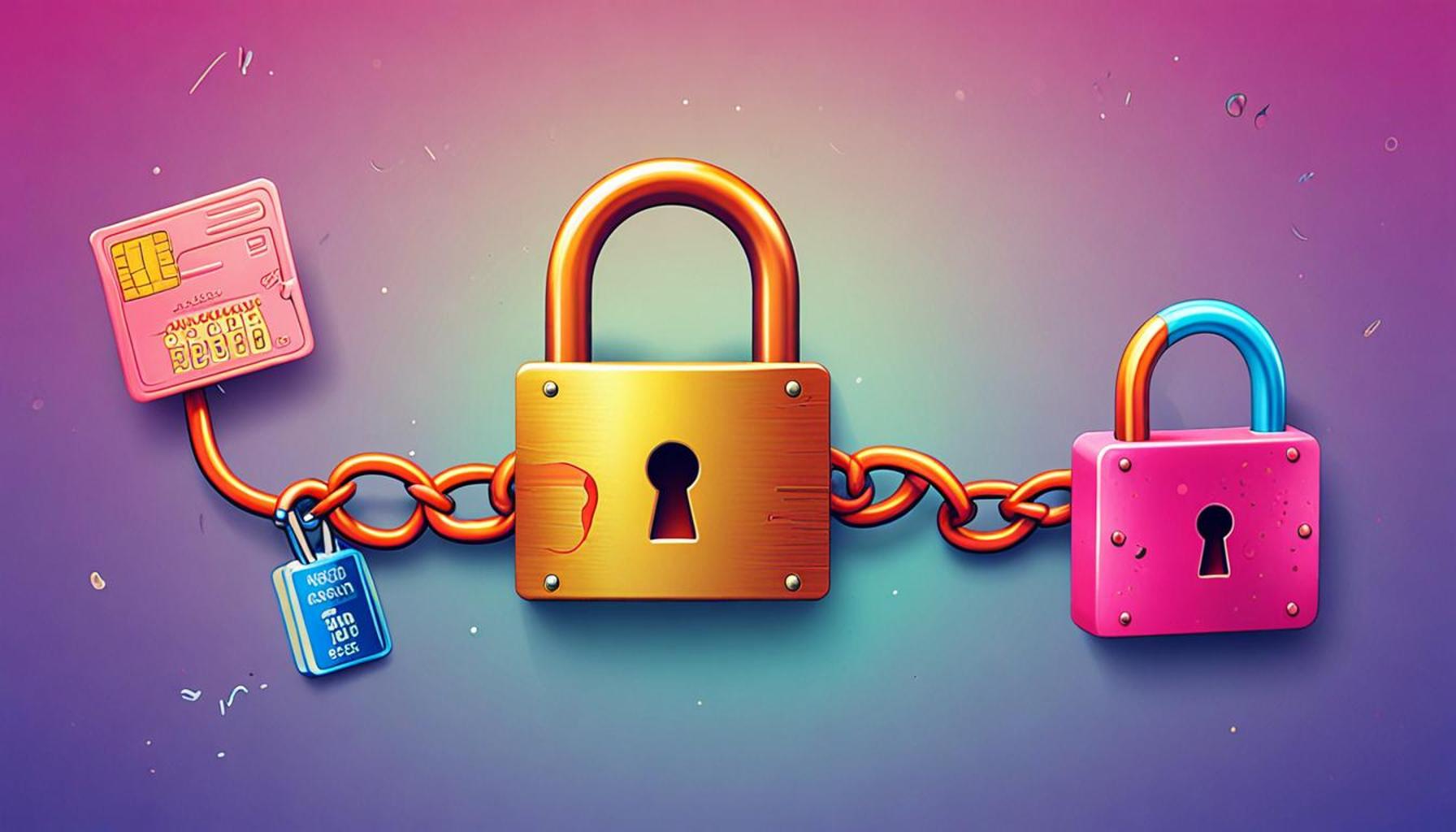
There are two primary types of credit that people must navigate: secured and unsecured credit. Each serves its purpose and offers distinct advantages and disadvantages, which can significantly impact your financial wellbeing. Here’s a deeper look into both:
- Secured Credit: This type of credit is guaranteed by collateral, such as your home or vehicle. Because there is a safety net for lenders, secured credit often comes with lower interest rates. For instance, when you take out a mortgage or an auto loan, the lender can seize the property if you default, which reduces their risk. This can make it easier for borrowers, especially those building their credit history, to obtain funds for significant purchases. Think about how owning a home not only provides shelter but can also be a springboard for future financial growth.
- Unsecured Credit: In contrast, unsecured credit relies solely on your creditworthiness without requiring collateral. This means that your credit score and history are crucial factors. Typically seen in credit cards and personal loans, this type of credit carries higher interest rates as lenders take on more risk. For example, if you’re looking to finance a new business startup or cover unexpected medical expenses, establishing a solid credit history is essential to secure favorable terms. A strong credit score could open doors to lower rates and better offers.
Gaining insight into the differences between secured and unsecured credit empowers you to make informed choices that align with your financial goals. Being proactive with your credit decisions can foster responsible borrowing, helping you establish and maintain a positive credit history. This, in turn, can unlock a myriad of opportunities—from better loan terms to increased purchasing power.
As you navigate the credit landscape, remember that knowledge is your greatest ally. By understanding how credit works and the implications of each type, you’re taking vital steps toward achieving financial stability. Seize control of your credit journey today, and let each conscious decision guide you toward a brighter and financially liberated future.
SEE ALSO: Click here to read another article
Navigating the Terrain of Secured and Unsecured Credit
Understanding the nuances of secured and unsecured credit is pivotal for anyone looking to enhance their financial strategies and secure their future. Both types of credit fit different needs and situations, and recognizing their differences can empower you to make insightful and informed financial choices. So, let’s explore the unique characteristics of secured and unsecured credit that can help you lay a robust foundation for your financial journey.
The Mechanics of Secured Credit
Secured credit is often regarded as a more stable entry point into the world of borrowing. Because it is backed by collateral, borrowers often experience lower interest rates as lenders have a safety net. This collateral can take the form of tangible items such as your home, vehicle, or even a savings account. The idea is straightforward: if you default on your payments, the lender has the right to seize the collateral, which reduces their financial risk.
Here are some key benefits of secured credit:
- Lower Interest Rates: Since lenders have less risk, they often offer more favorable terms.
- Easier Approval Processes: For those with limited credit history, secured loans can be a more attainable option.
- Building Credit: Making timely payments on secured loans can help improve your credit score, opening doors for future borrowing.
However, while the advantages are considerable, it’s crucial to remember that putting up collateral means risking your assets. If you cannot meet your payment obligations, you could lose valuable property. Thus, exercising responsibility and maintaining a solid repayment plan is essential.
Unraveling Unsecured Credit
On the other side lies unsecured credit, which relies solely on the borrower’s creditworthiness. Without collateral backing, lenders assess your financial history and credit score to determine the terms of the loan or credit offered. This type of credit is prevalent in credit cards and personal loans.
The implications of unsecured credit can be both rewarding and challenging:
- Higher Interest Rates: Because there is no collateral, lenders face a greater risk, resulting in higher interest rates.
- Flexibility: Unsecured credit can be used for a wide range of purposes, from financing a vacation to covering emergencies.
- Impact on Creditworthiness: Responsible use of unsecured credit can significantly enhance your credit profile, whereas mismanagement can lead to detrimental consequences.
Recognizing this type of credit is crucial, especially as it can play an important role in your overall financial picture. A strong credit score can unlock opportunities for better rates on future loans and credit, paving the way for larger investments, such as buying a home or starting a business.
Understanding the differences between secured and unsecured credit is not just about numbers; it’s about making wise choices that can shape your financial future. By evaluating your needs and financial situation, you can find a credit strategy that aligns with your goals and paves the way for success. Embrace this knowledge and let it guide you towards calculated and empowering financial decisions.
SEE ALSO: Click here to read another article
Empowering Your Financial Journey with the Right Credit Choice
Choosing between secured and unsecured credit isn’t just about the financial mechanics; it’s also about understanding your own personal and financial goals. This decision can greatly influence your ability to achieve your dreams and secure a stable financial future. Let’s delve into the factors that you need to consider when navigating these two types of credit.
Risk Assessment and Management
When you approach lenders for a loan, your financial risk stems from both unsecured and secured options. While secured credit may seem like the safer route due to lower interest rates, it’s important to assess what you can afford to place on the line. The potential loss of collateral should serve as a wake-up call to maintain diligent payment habits. For example, if you take out a secured loan for a new car and face unexpected financial hardship, you could end up losing your vehicle—something that could complicate your daily life.
In contrast, unsecured credit allows for a bit more flexibility in that it doesn’t require collateral, but that also translates to a different kind of risk. With higher interest rates, failing to keep up with payments can lead to an escalating debt situation that might have lasting repercussions on your credit score. Reflect on your spending habits and your ability to handle debt; this can help you mitigate those consequences and keep your financial journey on track.
Your Financial Goals and Future Planning
Another vital element in choosing between secured and unsecured credit is aligning your choice with your longer-term financial goals. If you’re aiming to establish or improve your credit score, secured credit can be an excellent choice. Regular, on-time payments not only help you avoid losing collateral but also provide a chance to boost your credit profile. As your credit score begins to improve, you can transition to unsecured credit options with even better terms down the line.
Conversely, if your current financial situation is stable and you have a robust credit history, unsecured credit can be your gateway to larger financial projects. From home renovations to pursuing a higher education degree, the flexibility that comes with unsecured loans can empower you to achieve significant life goals without jeopardizing your assets.
The Impact of Economic Conditions
The state of the economy can also significantly influence your decision between secured and unsecured credit. During economic downturns, lenders may tighten their credit criteria, making it more challenging to secure unsecured loans. With high unemployment rates and decreased consumer confidence, relying on secured credit might offer a more reliable path for those needing immediate financing. In such climates, being proactive about securing funding through collateral-backed loans can open doors when they appear otherwise closed.
Your awareness of the broader economic landscape will provide you with the insight needed to navigate borrowing wisely. By continuously educating yourself about these elements, you can better position yourself for success in times of uncertainty.
Engaging with secured and unsecured credit strategies can offer different benefits and challenges, and understanding both will allow you to make informed choices about your financial future. By tailoring your credit decisions to your personal financial needs, you can embrace a path filled with opportunities and growth.
SEE ALSO: Click here to read another article
Finding Your Financial Balance
As we wrap up our exploration of the differences between secured and unsecured credit, it becomes clear that making the right choice is pivotal in steering your financial journey. Understanding these two types of credit not only empowers you with knowledge but also equips you to make decisions that resonate with your individual needs and aspirations. Both secured and unsecured options come with their own benefits and risks, and your choice should align not only with your current financial state but also with your future goals.
Remember, opting for secured credit can serve as a stepping stone towards building a better credit history while facilitating significant purchases—with caution. On the flip side, unsecured credit offers greater flexibility and freedom but requires you to remain vigilant with your financial habits to avoid potential pitfalls. The ultimate key lies in self-awareness: understanding your financial habits, risk tolerance, and long-term objectives will help you navigate these options wisely.
As economic conditions fluctuate, staying informed and adaptable will be crucial. Whether you’re establishing credit for the first time or seeking funding for a major life endeavor, there’s a pathway available to you. Embrace the opportunity to harness credit as a powerful tool for growth, but do so with responsibility and foresight. With thoughtful planning and conscientious decision-making, you can transform your financial landscape into one filled with promise and accomplishment.

Linda Carter
Linda Carter is a writer and expert known for producing clear, engaging, and easy-to-understand content. With solid experience guiding people in achieving their goals, she shares valuable insights and practical guidance. Her mission is to support readers in making informed choices and achieving significant progress.