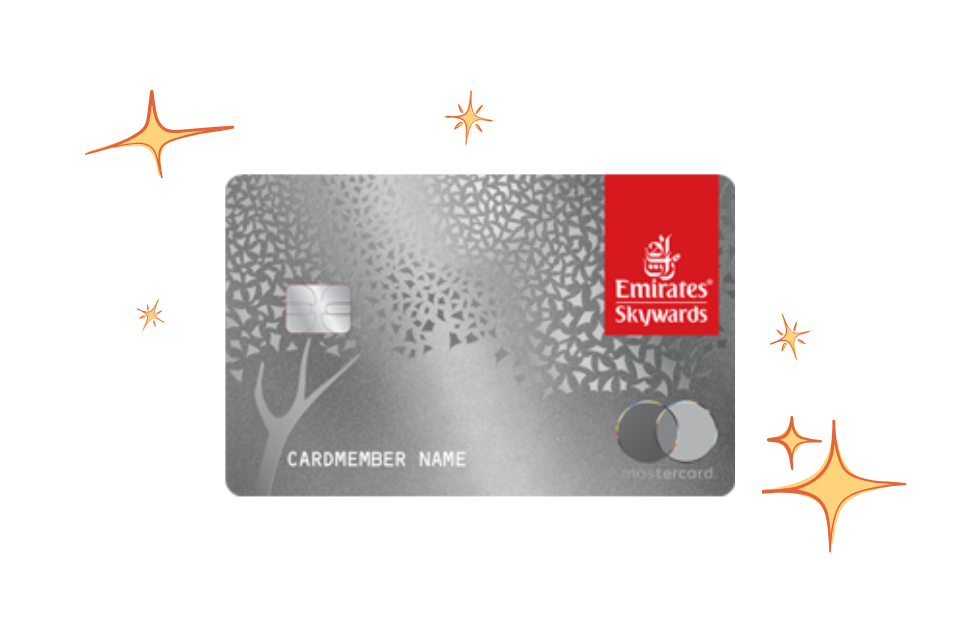
International credit cards: when they are worth it
The Benefits of Using International Credit Cards
Traveling abroad or purchasing items from overseas retailers is a common experience in our increasingly globalized world. As exciting as it is to explore new cultures and shop internationally, managing currency conversions and foreign transaction fees can be daunting. This is where international credit cards become a valuable asset for travelers and online shoppers alike.
International credit cards come with a variety of advantages designed to simplify financial transactions during your travels, including:
- No foreign transaction fees: Many international credit cards eliminate these often hidden charges, which can typically range from 1% to 3% of each purchase. For example, if you spend $1,000 while abroad, a card with no foreign transaction fees saves you up to $30 in unnecessary costs.
- Competitive exchange rates: International credit cards frequently offer superior currency conversion rates compared to local banks or airport currency exchanges. This means when you make purchases, you might save money just by using the right card. For instance, if your bank charges a rate of 1.10 for every Euro exchanged, whereas your credit card offers a rate of 1.05, you save significantly on larger transactions.
- Global acceptance: These cards are widely accepted in many countries around the world, providing you with the convenience of using one card for most expenses. You can use them for hotel stays, dining, shopping, and even transportation, which eliminates the hassle of carrying multiple types of payment methods.
Choosing the right international credit card can significantly enhance your travel experiences and offer peace of mind, knowing you are avoiding unnecessary fees and getting good exchange rates. However, it’s essential to determine when these cards truly benefit you.
For instance, if you are planning a month-long vacation in Europe, using an international credit card can help you avoid additional fees and ensure you always get a favorable exchange rate. On the other hand, if your spending is primarily domestic, where international transaction benefits are less applicable, the advantages may not outweigh any annual fees associated with the card.
In conclusion, evaluating your personal travel habits and shopping preferences will guide you in deciding whether an international credit card is the right choice for you. By understanding its features and benefits, you can make informed decisions that ultimately enhance your financial experience, whether at home or abroad.
SEE ALSO: Click here to read another article
When International Credit Cards Shine
As you consider whether to invest in an international credit card, it is important to evaluate specific scenarios where these cards can be particularly beneficial. Different situations arise when traveling or shopping that can help you determine if the perks of an international credit card are worth the fee, if there is one. Here are several key factors to consider:
- Frequent Travelers: If you find yourself traveling regularly, an international credit card can be a smart choice. Not only will these cards help you avoid foreign transaction fees, but they often come with additional benefits such as travel insurance, access to airport lounges, and reward points that can be redeemed for future trips. For example, if you travel abroad multiple times a year, the savings from waived fees alone can quickly offset any annual fee.
- High Foreign Spending: Are you planning on significant purchases while overseas, such as a luxury item or booking an expensive hotel room? In such cases, using an international credit card can lead to substantial savings, particularly if your card offers favorable exchange rates. The difference in conversion rates can save you hundreds of dollars on larger transactions.
- Emergency Situations: Carrying large amounts of cash can be risky when traveling abroad. International credit cards provide a safety net by allowing you to make purchases and withdraw cash as needed without worrying about local currency. If your card is lost or stolen, it can typically be replaced quickly, and you won’t lose all your money as you would if you lost cash.
- Building Credit History: If you are a U.S. citizen traveling abroad, using an international credit card responsibly can help build your credit history. Makes payments on time and manage your balances wisely to improve your credit score, while also keeping your finances under control during your time abroad.
While the benefits are undeniable for certain travelers, it’s equally essential to consider your spending habits and travel frequency. If you are planning a short trip with limited expenses or mostly utilize domestic services, you may not reap the same rewards. Furthermore, some international credit cards come with annual fees; thus, if your travel altogether is sporadic or minimal, opting for a card without such fees might be more advantageous.
Determining whether an international credit card is right for you ultimately comes down to assessing your unique travel habits and future purchases. By taking a closer look at your spending patterns and the perks offered by specific cards, you can make a wise financial decision that aligns with your travel goals. Understanding when these cards are most beneficial will allow you to take full advantage of their features, making your international experiences seamless and financially rewarding.
SEE ALSO: Click here to read another article
Additional Factors to Consider
While the initial advantages of international credit cards are compelling, it’s crucial to delve deeper into other elements that may influence your decision. Understanding these factors can provide you with a more rounded perspective on whether an international credit card is a worthwhile investment.
- Rewards Programs: One of the most appealing features of many international credit cards is their rewards programs. These programs often offer points or miles for every dollar spent, which can accumulate quickly when making purchases abroad. For instance, if your card offers two points per dollar spent on overseas purchases, that can lead to significant rewards if you frequently shop while traveling. Some cards even provide additional points when spending in specific categories like dining or hotels, maximizing your benefits while you explore.
- Conversion Fees: In some cases, even international credit cards may charge currency conversion fees or dynamic currency conversion fees if you opt to pay in U.S. dollars rather than the local currency. This can lead to higher overall costs, undermining the benefits of using the card. It’s essential to read the fine print and understand any associated fees, as they can vary by card and transaction type.
- Travel Flexibility: International credit cards can offer travel flexibility that cash simply cannot match. Not only do they allow for easy purchases in different countries, but they also typically provide the ability to easily dispute unauthorized transactions. If you’re staying in a hotel that doesn’t meet your expectations, for example, you may have the option to contest a charge if you paid with your international card, offering an extra layer of financial protection.
- Access to Foreign Service Centers: Certain credit card issuers maintain service centers abroad, which offer assistance like emergency cash advances and card replacements. This kind of support can be invaluable in a foreign country where language barriers might complicate navigating local banking systems. Such services can give you peace of mind and ensure that you are covered in case of emergencies.
- Annual Fees and Interest Rates: While some international credit cards come with enticing benefits, others may carry high annual fees and interest rates. Evaluate whether the benefits align with the costs. For instance, if a card charges a substantial annual fee but you rarely travel, you might find yourself paying more than you gain. Many standard credit cards offer worldwide acceptance without the hefty fees.
Another crucial aspect is to compare different international credit card offers. Many major banks and financial institutions provide unique perks tailored to varying travel habits. Look into introductory offers, bonus rewards, and promotional deals that can further enhance the value of your card. Make sure to assess your financial priorities and travel frequency before settling on a specific option; your needs should guide your decision.
In the world of international travel, understanding your financial toolkit is essential. International credit cards can be versatile and advantageous but must be selected thoughtfully based on personal spending habits and travel plans. By evaluating the broader landscape of benefits and potential drawbacks, you’ll be better equipped to make informed choices that enhance your international experiences.
CHECK OUT: Click here to explore more
Conclusion
In summary, international credit cards can be a significant asset for travelers, provided they are chosen carefully. The potential for reward points, transaction flexibility, and access to helpful services makes these cards appealing for those who frequently venture abroad. For example, many cards offer travel-related perks, such as travel insurance, airport lounge access, or zero foreign transaction fees. These benefits can enhance your travel experience and provide peace of mind while navigating foreign environments.
However, it is essential to remain vigilant about potential conversion fees and the daunting impacts of annual fees and interest rates. It’s important to note that some credit cards impose foreign transaction fees ranging from 1% to 3% on purchases made in foreign currencies. This can add up during your travels, as the convenience of swiping may come with a hidden cost. Additionally, annual fees can vary significantly from one card to another. For instance, a card with a $450 annual fee may seem unwarranted for someone who travels just a couple of times a year.
When deciding whether an international credit card is right for you, consider your travel frequency, spending habits, and the specific benefits each card offers. For instance, if you only travel occasionally, a card with a higher annual fee may not be worth it compared to a no-fee option that provides adequate international access. Furthermore, carefully reviewing the terms can help you avoid unexpected costs that may diminish the overall benefits of the card, such as late payment fees or increased APR charges on outstanding balances.
Overall, an international credit card can enhance your travel experience by simplifying transactions and providing financial security. However, the key to leveraging these advantages lies in comprehensive research and understanding your unique travel needs. By balancing the rewards with the potential costs, you can ultimately make an informed decision that turns your travels into enriching experiences without unnecessary financial stress. Travel should be about discovery and adventure—not about worrying over surprise credit card charges.

Linda Carter
Linda Carter is a writer and expert known for producing clear, engaging, and easy-to-understand content. With solid experience guiding people in achieving their goals, she shares valuable insights and practical guidance. Her mission is to support readers in making informed choices and achieving significant progress.